

Team writing blends diverse voices into a cohesive narrative. It requires clear roles, shared goals, and open communication. By establishing guidelines early, teams can navigate conflicts, maintain consistency, and produce polished, collaborative work that reflects collective expertise!!!
Definition and Scope of Team Writing
Team writing is the collaborative creation of written material by multiple authors sharing a common purpose, structure, and voice. It covers academic papers, professional reports, creative projects, and digital content. The scope ranges from brainstorming and outlining to drafting, revising, and publishing. Key elements include role distribution, shared deadlines, and a unified style guide. Effective team writing balances individual expertise with collective coherence, ensuring each contributor’s voice aligns with the overall narrative. The process fosters critical thinking, peer feedback, and iterative improvement, ultimately producing higher quality, diverse, and well‑structured documents.
Team writing thrives on shared vision, communication, and accountability. It requires establishing roles—such as author, editor, researcher—to prevent overlap and ensure coverage of all necessary components. Regular check‑ins, whether through daily stand‑ups or weekly milestone meetings, help maintain momentum and surface issues early. Moreover, a well‑defined decision‑making hierarchy, from consensus to delegated authority, safeguards against paralysis and promotes timely progress. By embracing diverse perspectives, teams can enrich content, balance depth with breadth, and produce documents that resonate across audiences.
Such frameworks streamline workflow and foster shared ownership, encouraging learning adaptability during projects.
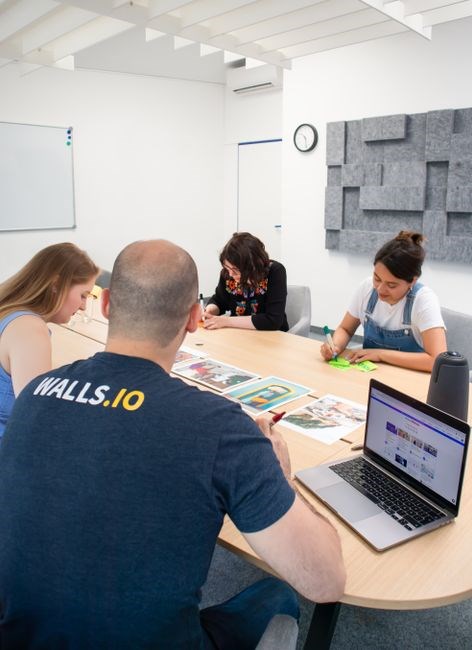
Establishing Team By-Laws
By‑laws set roles, deadlines, and decision rules. They clarify authorship, revision cycles, and conflict‑resolution paths. Clear, written norms prevent ambiguity, promote accountability, and keep the team focused on shared goals and quality standards. All agree.!!!
Drafting Clear Decision-Making Protocols
Clear decision‑making protocols are the backbone of any successful team writing effort. They outline how choices are made, who has authority, and how disagreements are resolved. A well‑structured protocol begins with a decision hierarchy: simple matters are handled by consensus, medium‑complex issues require a majority vote, and critical decisions are escalated to a designated mediator or senior author. Each level should specify the required quorum, the voting method (e.g., show of hands, anonymous poll), and the threshold for approval. By documenting these steps in the team by‑laws, members know exactly what to expect and can prepare accordingly. Transparency is key; every decision must be recorded in a shared log, with timestamps and rationale, so that future revisions can reference the original intent. When conflicts arise, the protocol should mandate a brief mediation session, allowing each party to present evidence and propose solutions. If consensus remains elusive, a tie‑breaker—such as a flip‑coin or a rotating chair—can be employed to keep momentum. Importantly, the protocol should also define a review window: decisions should be revisited after a set period (e.g., 30 days) to assess their effectiveness and make adjustments if needed. By embedding these clear, actionable rules into the team’s foundational documents, writers can focus on content quality while trusting that the process will remain fair, efficient, and adaptable to evolving project needs.
- Define decision thresholds (e.g., 60% approval).
- Specify escalation paths for unresolved disputes.
- Include a periodic audit of decision outcomes.
With these protocols in place, teams navigate editorial choices, ensuring every voice is heard while keeping a clear daily path to publication.
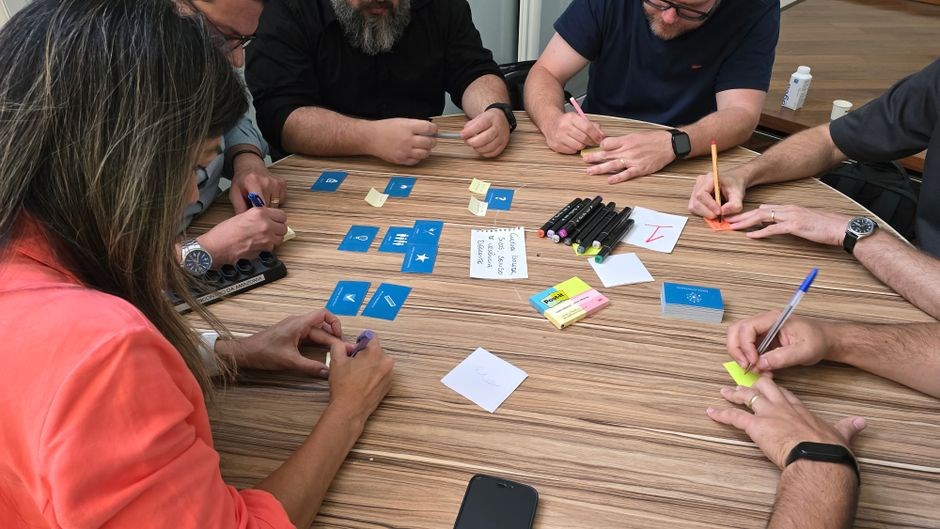
Conflict Resolution Strategies
Conflict resolution in team writing hinges on pre‑set by‑laws, clear escalation paths, and fair mediation. Teams should document disputes, use organized voting, and, when needed, involve a neutral third party. check‑ins prevent escalation and keep momentum!
Options for Resolving Disagreements
When team members clash over style, structure, or content, a structured approach eases tension. First, refer to the team by‑laws: if the document prescribes a voting threshold, hold a quick poll; if it calls for a coin flip, proceed with that impartial method. If the dispute remains unresolved, the next step is to involve a neutral mediator—often a senior faculty member or an external editor—who can objectively weigh arguments and suggest compromises. For persistent disagreements, escalation to a higher‑level authority, as a department chair, ensures that the project stays on track. Throughout, maintain a log of decisions, documenting who suggested what and why, so future conflicts can be avoided. By following these layered options—vote, coin, mediator, escalation—teams preserve cohesion while honoring diverse viewpoints.
In practice, teams often adopt a “majority‑rule” system where the majority vote decides the final wording, while minority concerns are documented for future reference. Some groups use a rotating editor role, ensuring that each member gains ownership of the final draft. Others schedule a “disagreement debrief” after each major revision, allowing members to reflect on why a decision was made and whether it truly serves the document’s purpose. By integrating these practices, teams not only resolve conflicts efficiently but also build a culture of trust, transparency, and continuous improvement that strengthens the overall quality of the collaborative work. Together, these methods and.

Developing a Unified Style Guide
Creating a shared style guide ensures consistency across sections. Outline formatting rules, tone, citation format, and terminology. Assign a style lead to review drafts, update guidelines, and resolve ambiguities, fostering cohesive, professional output!!!!
Creating a Consistent Formatting Framework
Establishing a uniform formatting framework is essential for team writing projects, as it guarantees that every contributor’s work aligns seamlessly with the collective vision. Begin by selecting a standard citation style—APA, MLA, or Chicago—based on the discipline’s conventions. Document the chosen style in a shared style guide, making it easily accessible to all team members. Next, agree on consistent heading levels, font choices, line spacing, and margin settings. Specify whether headings should be bold, italicized, or numbered, and decide on a single font family (e.g., Times New Roman or Calibri) to maintain visual coherence. Define paragraph indentation rules, such as first-line indent, block indent, and set a uniform spacing after paragraphs to avoid uneven white space. For tables, figures, and appendices, create a template that includes caption formatting, labeling conventions, and placement guidelines. Ensure that all figures are referenced in the text before the figure itself appears, and that tables follow a consistent numbering scheme. When incorporating quotations, decide on block quote formatting—indentation, font size, and quotation marks—to keep them distinct yet harmonious with the main text. Finally, appoint a formatting lead or a small editorial committee responsible for reviewing each draft against the guide. This role should verify that all elements—headings, citations, tables, figures, and quotations—adhere to the agreed standards before the document moves to the next revision stage. Regularly revisit the guide to accommodate new insights or changes in style guidelines and keep the document version-controlled so that all team members can track updates without confusion.
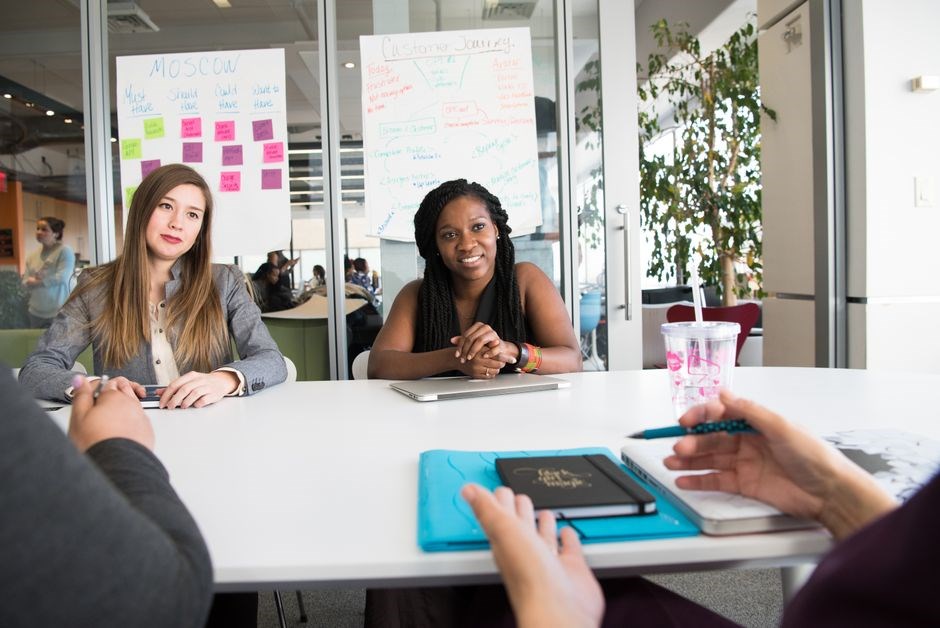
Collaborative Writing Processes
Collaborative writing thrives on clear stages: planning, drafting, reviewing, and revising. Teams assign roles, set timelines, and use shared documents. Regular check‑ins and feedback loops keep the project cohesive and on schedule. Collaboration boost cohesion
Phases of Collaborative Writing Workflow
Phase 1: Planning. Teams set objectives, assign roles, and draft a shared outline. A clear by‑law document guides decision making, ensuring every member knows the process for resolving disagreements. Phase 2: Drafting. Each writer tackles a section, following a unified style guide that standardizes tone, formatting, and citation style. Digital platforms like Google Docs or Overleaf allow real‑time edits and version control. Phase 3: Peer Review. Colleagues read each other’s sections, providing constructive feedback and spotting inconsistencies. Structured review rounds help maintain cohesion across the manuscript. Phase 4: Revising. Writers incorporate feedback, refine arguments, and adjust transitions to improve flow. Collaborative tools can track changes and comments for transparency. Phase 5: Finalizing. The team conducts a final read‑through, checks compliance with the style guide, and prepares the manuscript for publication or submission. Each phase builds on the previous, creating a seamless workflow that turns individual contributions into a unified, high‑quality document. By iterating through these phases, teams harness diverse expertise, mitigate errors, and produce polished, coherent outputs that reflect collective intelligence. Consistent use of shared tools and clear milestones ensures that every voice is heard. It strengthens teamwork. Documenting decisions in a shared repository preserves institutional memory and facilitates onboarding of new members. This collaborative model boosts creativity, efficiency, quality!.

Tools and Technology for Team Writing
Digital platforms like Google Docs, Microsoft Teams, and collaborative writing software enable real‑time editing, version control, and communication. Cloud storage, shared calendars, and project management tools keep teams organized and on schedule.
Digital Platforms for Real-Time Collaboration
Real‑time collaboration tools are essential for modern team writing. Google Docs offers simultaneous editing, comment threads, and instant version history, allowing writers to see changes live and resolve conflicts instantly. Microsoft Teams integrates Word online with chat, file sharing, and meeting scheduling, making it easy to discuss drafts while editing. Slack’s file‑sharing channels and threaded conversations keep context focused, while Notion’s collaborative workspace lets teams build shared outlines, embed research, and track progress in a single view. Project‑management platforms like Trello or Asana provide boards and task lists that sync with document links, ensuring everyone knows who owns each section. Cloud‑based storage such as Dropbox or OneDrive guarantees that all files are centrally stored and automatically backed up. For larger projects, specialized writing platforms like Scrivener’s team mode or the collaborative features in ProWritingAid help maintain consistency across chapters. By combining these tools, teams can coordinate writing, review, and editing in real time, reducing turnaround time and improving overall quality. In addition, many teams adopt AI‑assisted drafting tools such as Grammarly, Hemingway, or ChatGPT‑based plugins, which flag style inconsistencies, suggest concise phrasing, and even generate preliminary outlines, thereby accelerating the drafting phase while still allowing human oversight to preserve nuance and intent. They boost output quality.

Evaluating and Revising Drafts
Peer review cycles sharpen clarity and consistency. Teams schedule structured rounds, assigning reviewers to specific sections. Feedback focuses on logic, tone, and style guide adherence. Iterative edits, combined with version control, ensure each draft moves toward a unified, polished product.!
Peer Review and Revision Rounds

Peer review is the cornerstone of team writing, turning a collection of individual drafts into a cohesive whole. In a structured round, each member receives a copy of the full manuscript, annotated with comments that target both macro‑level structure and micro‑level language. Reviewers focus on logical flow, argument strength, and adherence to the shared style guide. They also flag inconsistencies in tone, formatting, and citation style, ensuring the final product reads as a single voice rather than a patchwork of voices. After the first round, authors revise their sections, integrating feedback and clarifying ambiguous passages. A second round often follows, concentrating on polishing language, tightening transitions, and verifying factual accuracy. Throughout, version control tools like Git or cloud‑based document editors track changes, allowing the team to revert to earlier iterations if necessary. The iterative process not only improves quality but also reinforces collaboration, as members learn from each other’s strengths and address weaknesses collectively. By the final round, the manuscript should exhibit a unified structure, consistent terminology, and a polished narrative that reflects the collective expertise of the team. During the final audit, a designated editor verifies that all style guidelines, citation formats, and formatting rules have been uniformly applied across the document. The team also reviews the document’s accessibility, ensuring that headings, lists, and images are properly labeled for readers with diverse needs. Finally, the manuscript is locked and archived for future reference.

Finalizing and Publishing the Work

Before publishing, the team finalizes the manuscript, ensuring all sections align with the style guide, citations are correct and formatting is consistent. The proof is reviewed, signed off, and the polished collaborative work is ready for distribution.
Preparing for Publication and Dissemination
When a team’s manuscript is ready, the publication phase begins with a meticulous review to confirm adherence to the agreed style guide, citation standards, and formatting rules. Next, the team selects the appropriate venue—journal, conference, or open‑access repository—based on scope, audience, and impact factor. Submission guidelines are carefully followed, ensuring file formats, word limits, and required metadata are correct. The manuscript is then uploaded to the publisher’s portal, and a cover letter is crafted to highlight the collaborative nature of the work, its novelty, and its relevance to the field. After submission, the team monitors the review process, responding promptly to reviewer comments and revising the text as needed. Once accepted, the authors coordinate with the production team to proofread galley copies, approve final layouts, and confirm author order and affiliations. Finally, the publication is announced through institutional press releases, social media, and professional networks, maximizing reach and impact. Throughout, clear communication and shared responsibility ensure a smooth transition from draft to published product, reinforcing the team’s collective achievement.
Additionally, teams should prepare a dissemination plan that outlines target audiences, key messages, and outreach tactics. This may involve creating infographics, summarizing findings in lay language, and engaging with stakeholders through webinars or workshops. Tracking metrics such as downloads, citations, and media mentions helps assess the publication’s reach and informs future collaborative projects. By systematically managing each step—from draft to published product—teams ensure that their collective effort not only meets scholarly standards but also reaches the widest possible audience, thereby maximizing the impact of their joint work. Thanks. Team.