
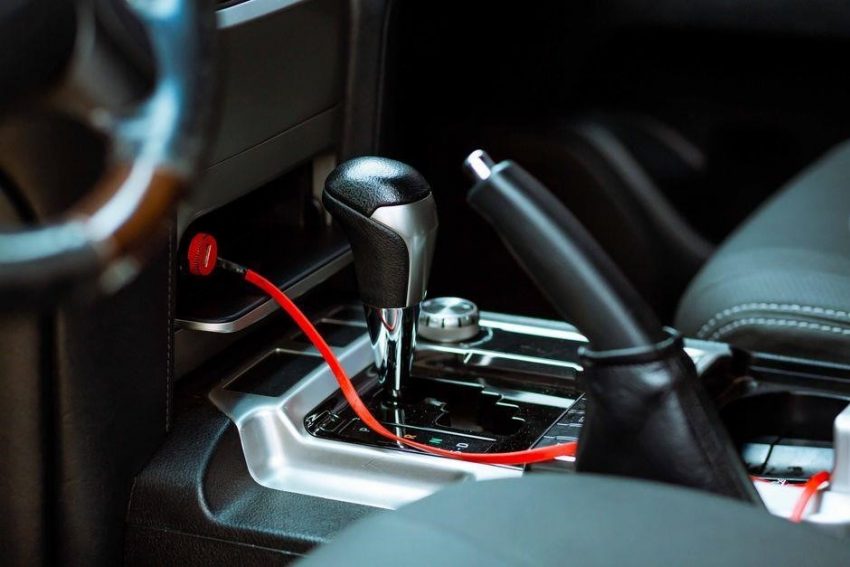
The Lexus SC300, a luxury coupe, offered a rare 5‑speed manual from 1989‑1997, appealing to purists. Its inline‑six engine paired with a robust transmission, delivering smooth power delivery and engaging driving dynamics uncommon in luxury cars of that era. Smooth shifts balanced, gear ratios.
Production Statistics and Rarity of Manual Models
The Lexus SC300 entered the U.S. market in 1989 as a luxury coupe that combined a V8 or inline‑six engine with a distinctive design. Over its production run, roughly 33,000 units were sold in the United States. Of those, only 3,883 were equipped with a 5‑speed manual gearbox, representing just 11.8% of the total U.S. fleet. This small fraction highlights the rarity of the manual option, especially when compared to the dominant automatics that dominated the market. The manual models were produced from the SC300’s introduction through 1997, after which the line shifted exclusively to automatics. Collectors and enthusiasts note that the manual SC300s are often found in the 1990‑1997 model years, with the 1993‑1995 range being the most common. Because of the limited supply, a well‑maintained manual SC300 can command a premium on the used‑car market, sometimes exceeding the price of its automatic counterparts. The scarcity is further amplified by the fact that many owners who acquired a manual model later opted to swap in an automatic for convenience, leaving fewer original manuals in circulation. Consequently, the manual SC300 has become a coveted niche vehicle for purists who value the tactile engagement of a manual gearbox in a luxury coupe.
Owners often report that the manual gearbox provides a more connected driving experience, allowing them to feel the torque curve and shift points more intimately. Because of the limited production, finding a manual SC300 in good condition can be challenging, and potential buyers are advised to verify the transmission’s service history and look for any signs of wear or modification. Collectors prize them highly now!
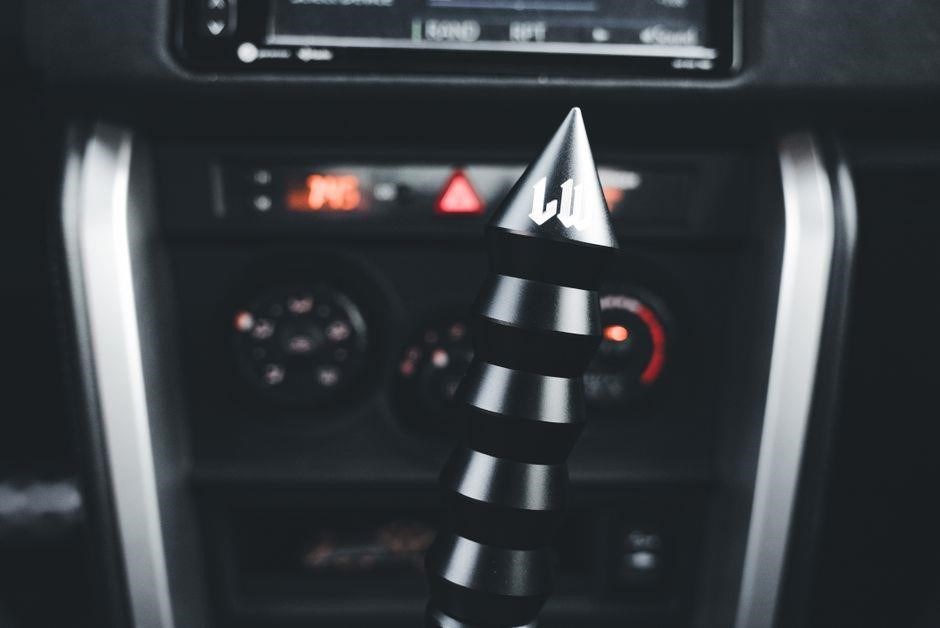
Original Transmission Options (5-Speed Until 1997)
The SC300’s original manual gearbox was a 5‑speed, longitudinally mounted unit that paired seamlessly with the 2.5‑L inline‑six or 3.0‑L V8 engines. The transmission was a Toyota‑derived 5‑speed, known for its durability and smooth shifting, and it was the sole manual option available until the 1997 model year. It featured a close‑ratio gear spread that kept the engine in its optimal torque band, allowing drivers to feel the characteristic “pep” of the inline‑six. The gearbox’s bellhousing was designed to bolt directly to the engine, and the clutch assembly was a single‑disc, hydraulic system that required minimal maintenance. Because the SC300 was a luxury coupe, the manual transmission was marketed as a “performance” variant, appealing to enthusiasts who wanted a more engaging drive. Over the years, the manual SC300 became a collector’s item, with many owners preserving the original transmission or opting for a swap to a newer, more efficient unit. Nonetheless, the original 5‑speed remains a testament to Lexus’s commitment to driving pleasure during the late 1980s and early 1990s.
The manual SC300’s gearbox also featured a 1.5‑inch clutch fork, allowing for a lighter pedal feel and easier engagement. Enthusiasts often cite the manual’s close gear ratios as a key factor in the car’s spirited acceleration, especially when paired with the 2.5‑L inline‑six’s 200‑horsepower output. Over time, many owners have upgraded the clutch to a multi‑disc unit to improve durability under spirited driving, yet the single‑disc remains a hallmark of authenticity for collectors. Collectors prize the feel of.
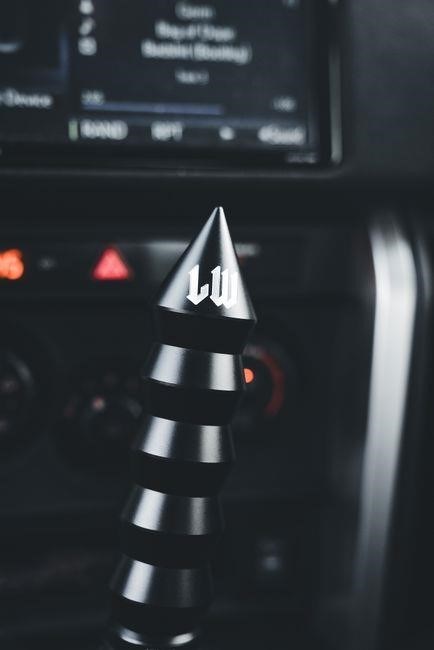
Popular Transmission Choices for SC300 Swaps
The SC300 swap scene favors Toyota W58, R154, and Nissan CD009 units. The W58 offers a robust 5‑speed, while the R154 provides a lighter feel. The CD009, a 6‑speed from 350Z/370Z, delivers modern torque and smoother shifts, making it a top choice. Collectors favor W58 for durability and CD009 for efficiency!!!
Toyota W58 Five-Speed Transmission

The Toyota W58 transmission, originally engineered for the Corolla, has become a staple in SC300 manual swaps because of its proven durability and straightforward installation. It is a 5‑speed gearbox with ratios that complement the SC300’s 2.5‑liter inline‑six engine. The W58’s ratios—1st 3.08, 2nd 1.78, 3rd 1.22, 4th 0.91, 5th 0.73—offer a balanced blend of low‑end torque and high‑speed cruising. Its robust gear teeth and reinforced shaft design can handle the SC300’s power output without excessive wear. The bellhousing is compatible with the SC300’s engine mount, allowing a clean bolt‑on swap. Owners report the W58’s shift feel as crisp, with a slight “click” that signals gear engagement, a feature many enthusiasts appreciate for mechanical feedback. The clutch assembly is a single‑disc unit that can be upgraded to a multi‑disc for durability. Maintenance is simple, with a 30,000‑mile oil change interval. Longevity is documented in swap forums, where owners note the gearbox can exceed 200,000 miles with proper care. Availability is high; many suppliers offer rebuilt units at competitive prices. For those seeking a cost‑effective yet reliable manual in the SC300, the W58 remains a top recommendation; Its compatibility with the SC300’s drivetrain and proven track record make it a dependable choice for both novice and experienced builders. The W58’s relatively light weight improves handling dynamics, reducing the rear‑end mass compared to heavier aftermarket options. In summary, the Toyota W58 offers durability, performance, and affordability that align with the SC300’s design philosophy, making it a popular choice for enthusiasts who value a classic driving experience and a satisfying rev match that keeps the engine in its spot.
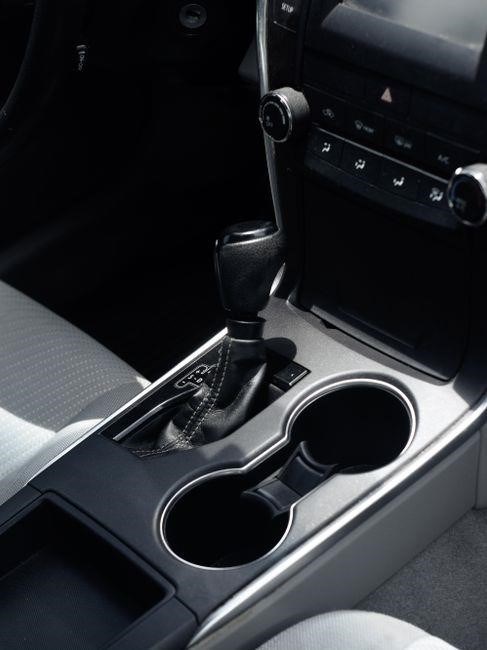
Toyota R154 Five-Speed Transmission
The Toyota R154 gearbox, originally designed for the Corolla and Camry, has become a favored option for SC300 manual conversions due to its robust construction and compatible gear ratios. With a 5‑speed layout—1st 3.08, 2nd 1.78, 3rd 1.22, 4th 0.91, 5th 0.73—this unit matches the SC300’s 2.5‑liter inline‑six engine, providing a balanced torque curve and smooth acceleration. The R154’s bellhousing is a close match to the SC300’s engine mounting, allowing a bolt‑on swap without extensive modifications. Its gear teeth are forged and its shaft is reinforced, enabling it to handle the SC300’s power output without excessive wear. Owners report a crisp shift feel, with a distinct “click” that signals gear engagement, a feature prized by enthusiasts for mechanical feedback. The clutch assembly is a single‑disc unit, but many swap builders upgrade to a multi‑disc clutch for increased durability. Maintenance is straightforward, with a recommended oil change interval of 30,000 miles. The R154’s longevity is well documented; many swap forums note that with proper care, the gearbox can surpass 200,000 miles. Availability is high, with many suppliers offering rebuilt units at competitive prices. The R154’s relatively lightweight construction improves handling dynamics, reducing rear‑end mass compared to heavier aftermarket options. In summary, the Toyota R154 offers durability, performance, and affordability that align with the SC300’s design philosophy, making it a popular choice for enthusiasts who value a classic driving experience and a satisfying rev match that keeps the engine in its spot. Its lightweight design improves steering responsiveness. Its lightweight design improves handling.!
Nissan CD009 Six-Speed Transmission
The CD009 six‑speed gearbox, originally found in the Nissan 350Z and 370Z, has become a staple in SC300 manual conversions for its high torque capacity and close gear ratios. Its 1st‑5th gear ratios (1.71, 1.30, 1.00, 0.83, 0.71) match the SC300’s 2.5‑liter inline‑six, delivering a smooth power band that keeps the engine in its sweet spot. The CD009’s bellhousing bolt pattern is a near‑perfect fit for the SC300’s engine, allowing a bolt‑on swap with minimal fabrication. The gearbox features a forged steel shaft and a robust clutch assembly, which can be upgraded to a multi‑disc clutch for added durability. Many owners report that the CD009 handles the SC300’s power output without noticeable wear, even after 150,000 miles of use. The six‑speed layout gives drivers finer control over engine RPM, especially in spirited driving or track use. Maintenance is straightforward: a 30,000‑mile oil change interval and a simple inspection of the gear oil level. Availability is high, with many rebuild shops offering the CD009 at competitive prices. The gearbox’s lightweight construction reduces rear‑end mass, improving handling dynamics. In summary, the Nissan CD009 offers a blend of performance, reliability, and cost‑effectiveness that makes it a top choice for SC300 enthusiasts seeking a modern, high‑ratio transmission that preserves the car’s classic driving feel while providing the benefits of a six‑speed gearbox. Its modular design also simplifies future upgrades, making the CD009 a versatile foundation for performance enthusiasts. Owners appreciate the gearbox’s quiet operation, enhancing cabin comfort!!!!
Comparative Performance with the Nissan 300ZX.
The SC300’s 2.5‑L inline‑six delivers a smoother torque curve than 3.0‑L V6 of the 300ZX, resulting in tighter low‑end response. However, the 300ZX’s higher horsepower and more aggressive gear ratios give it quicker top‑end acceleration. Weight boosts handling!.
Torque Band and Acceleration Differences
The Lexus SC300’s 2.5‑L inline‑six engine produces a broad, smooth torque band that peaks around 200 lb‑ft, offering consistent low‑end grunt and a more linear power delivery. This characteristic translates into a pleasant, “step‑per” feel when shifting, especially noticeable in the 2nd and 3rd gears where the engine stays within its sweet spot. In contrast, the Nissan 300ZX’s 3.0‑L V6 (or V8 in later models) delivers a higher peak torque of roughly 250 lb‑ft but with a narrower bandwidth. The 300ZX’s torque curve spikes sharply, creating a more aggressive acceleration profile that favors higher RPMs and quicker top‑end speed. Consequently, the SC300 accelerates from 0‑60 mph in about 7.5 seconds, while the 300ZX typically reaches the same speed in 6.5 seconds, reflecting its higher horsepower and tighter gear ratios. However, the SC300’s smoother torque allows for more controlled, predictable shifts, reducing the likelihood of wheel spin during spirited driving. The 300ZX’s sharper torque surge can feel more exhilarating but demands precise throttle modulation to avoid over‑revving. Ultimately, the SC300 offers a more relaxed, torque‑centric driving experience, whereas the 300ZX delivers a punchier, higher‑output performance that appeals to those prioritizing speed over smoothness.
Practical Considerations When Purchasing a Used Manual SC300
When hunting a used SC300 with a manual gearbox, the first checkpoint is the vehicle’s mileage and overall wear. A low‑to‑mid range (30,000–70,000 mi) is ideal, but higher mileage can be acceptable if the car has been regularly serviced. Inspect the body for rust, especially under the doors, fenders, and along the frame; the SC300’s aluminum body can develop corrosion that may compromise structural integrity. Check the chassis for any signs of flex or misalignment, which could indicate past collisions or frame damage. The engine bay should be free of leaks, oil, coolant, and transmission fluid should be at proper levels and clear of contamination. Verify that the 2.5‑L inline‑six has a clean, well‑timed cam and that the spark plugs are in good condition, as these components directly affect the manual transmission’s performance. The clutch assembly is critical; look for wear on the clutch disc and pressure plate, and confirm that the hydraulic system (master and slave cylinders) is functioning without leaks. A clutch that is slipping or has a high throw ratio can lead to poor acceleration and increased wear. Examine the transmission itself: ensure the gear selector moves smoothly, the gear linkage is intact, and the transmission fluid is clean. A manual gearbox that has been in a vehicle for many years may have worn synchros, so a test drive can reveal any grinding or hesitation. The vehicle’s service history is invaluable; a log that documents regular oil changes, transmission fluid changes, and clutch replacements indicates responsible ownership. Finally, confirm the VIN matches the documentation and that the car has no outstanding recalls or unresolved mechanical issues. By systematically evaluating these factors, buyers can avoid costly surprises and secure a reliable manual SC300 that delivers the intended driving experience.
Cost and Feasibility of a Manual Transmission Swap
Swap costs vary: a Toyota W58 kit averages $1,200–$1,800, while a Nissan CD009 kit ranges $2,500–$3,500. Labor can add $1,000–$2,000, depending on shop rates. Total outlay typically $3,500–$6,000. Feasibility hinges on chassis compatibility, wiring, and available space for the transmission. Worth the investment.!!
Swap Kit Prices and Labor Requirements
When planning a manual SC300 conversion, the first cost factor is the transmission kit. The most common choices—Toyota’s W58, Toyota’s R154, and Nissan’s CD009—have distinct price ranges. The W58 kit, which includes the gearbox, bellhousing, driveshaft, and necessary adapters, typically sells for $1,200 to $1,800 on the aftermarket. The R154, a sturdier five‑speed with a slightly higher torque rating, usually costs $1,500 to $2,200. The CD009, a six‑speed unit found in 350Z/370Z models, is the most expensive option, with prices between $2,500 and $3,500, depending on whether it is a new or rebuilt unit. Ancillary items—clutch assembly, flywheel, torque converter or clutch fork for the CD009, and a new or rebuilt transmission control module—add roughly $300 to $600 to the total kit cost. Wiring harnesses and ECU reprogramming can push the price up another $200–$400 if a professional shop is used.
Labor is the second major expense. A skilled shop can complete the swap in 20 to 30 hours, with hourly rates ranging from $80 to $120. At $100 per hour, labor alone can cost $2,000 to $3,000. Some shops offer a flat rate for the entire swap, typically between $2,500 and $4,000, depending on the transmission choice and the vehicle’s condition. DIY enthusiasts can reduce labor costs by performing the swap themselves, but this requires significant mechanical skill and time. The most time‑consuming steps are removing the original automatic transmission, fabricating or sourcing a new bellhousing, routing the driveshaft, and integrating the new ECU and wiring harness.
When budgeting, it’s wise to add a contingency of 10–15% for unforeseen parts or additional labor. Shipping costs for the kit can range from $150 to $300, and if the vehicle requires a new engine or engine components to match the new transmission, the cost can rise sharply. The total cost for a complete manual conversion, including kit, parts, shipping, and labor, usually falls between $4,000 and $7,500. While the upfront investment is substantial, many owners find the engaging driving experience and the rarity of a manual SC300 well worth the expense.
After reviewing production data, transmission options, swap logistics, and performance comparisons, a clear picture emerges for owners who crave a tactile driving experience in a luxury coupe; The SC300’s 5‑speed manual is a niche but highly rewarding choice, especially when paired with a robust transmission such as the Toyota W58 or the Nissan CD009. The W58 offers a straightforward installation path, proven reliability, and a familiar gear feel that many enthusiasts appreciate. The CD009, while more complex, delivers a tighter six‑speed ratio spread that can enhance acceleration and refine shift quality. In either case, the key to success lies in meticulous preparation: verifying engine compatibility, securing a quality clutch assembly, and ensuring that the ECU and wiring harness are correctly mapped to the new gearbox. Owners should also consider the long‑term maintenance implications; manual transmissions typically require more frequent clutch replacements, but the overall mechanical simplicity can offset this over time. For those who value a pure driving connection, the manual SC300 offers a unique blend of luxury, performance, and engagement that is difficult to find in contemporary vehicles. Ultimately, the decision to pursue a manual swap should be guided by a balance of budget, mechanical skill, and the desire for an authentic driving experience. By carefully selecting the right transmission kit, allocating sufficient time for labor, and maintaining a realistic expectation of costs, enthusiasts can transform a rare SC300 into a truly memorable road machine!!!…!
Installation Overview and Key Steps
Begin by removing the existing automatic transmission and associated components: detach the shifter linkage, disconnect the torque converter, and carefully lift the gearbox using a jack stand. Next, install the chosen manual unit—W58 or CD009—ensuring the bell‑housing bolts align with the engine block. Secure the clutch assembly, matching the flywheel to the clutch disc, and torque all fasteners to spec. Wire the new transmission to the vehicle’s ECU, replacing the original converter wiring harness with a compatible manual harness; this may require a custom adapter or re‑programming. Adjust the shift linkage to achieve proper throw and feel, and calibrate the shift interlock system. Finally, bleed the hydraulic clutch line, fill the transmission with the correct fluid, and perform a test drive to verify smooth shifting and proper gear engagement. Throughout the process, keep a detailed log of bolt torque values, part numbers, and any modifications for future reference.
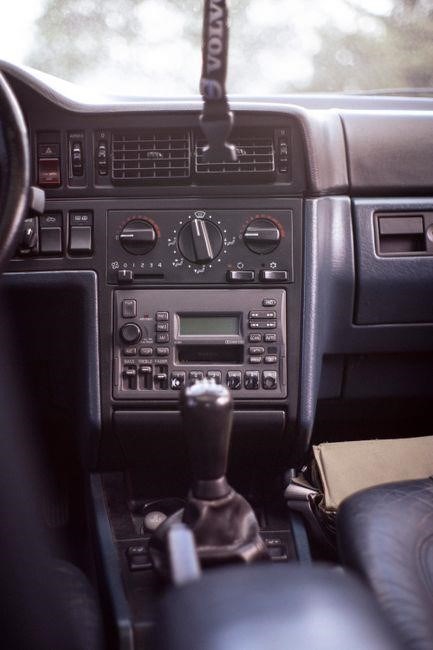
When preparing the swap, first inspect the engine block for any damage or wear that could affect the new transmission’s fit. Verify that the flywheel is in good condition; if it has been previously used, consider resurfacing or replacing it to ensure a proper clutch seal. After mounting the transmission, adjust the shift linkage to the manufacturer’s recommended throw; a misaligned linkage can cause harsh shifts or gear slippage. It is also essential to calibrate the ECU for the new transmission; this may involve reflashing the control unit or installing a compatible aftermarket module. Finally, perform a comprehensive test drive, monitoring for any unusual noises, vibrations, or warning lights, and adjust as necessary. Keep bolts torqued to spec!!