

I. Getting Started with Bible Study
Beginners can find clarity through resources like the MacArthur Study Bible and apps‚ embracing a realistic approach—don’t overcommit! A clear picture awaits.
1.1 Understanding the Bible’s Purpose
Embarking on Bible study isn’t about becoming a scholar‚ but gaining a clearer understanding of its message. This guide doesn’t presume your background—whether a seasoned theologian or a curious newcomer. The core aim is simple: to grasp the Bible’s intent. It’s a collection of 66 books designed to complement each other‚ revealing God’s character and plan for humanity.
Accepting the literal meaning of words is crucial‚ yet recognizing historical and cultural contexts enriches interpretation. The Bible isn’t a complex puzzle‚ but a narrative unfolding over time. Focus on what the text reveals about God‚ people‚ and salvation – the foundational elements for meaningful study. Remember‚ the journey is about connection‚ not just comprehension.
1.2 Choosing a Bible Translation
Selecting the right Bible translation is vital for beginners. Numerous options exist‚ each with strengths. The MacArthur Study Bible‚ available in paper and as a free app‚ is highly recommended for its extensive notes and clarity. Consider your reading preference: some prefer word-for-word accuracy‚ while others favor thought-for-thought translations for easier comprehension.
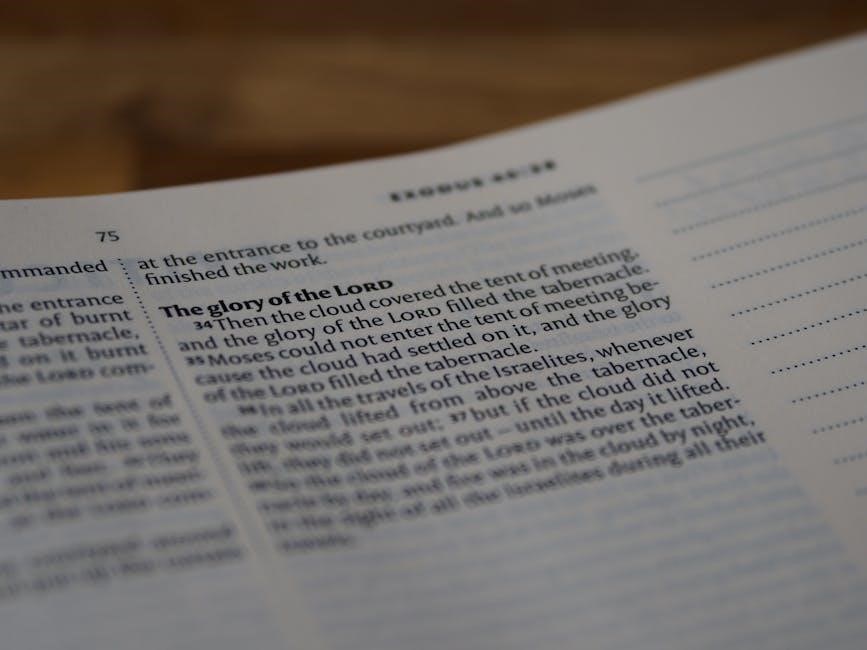
Explore translations like the New American Standard Bible (NASB) for precision‚ or the New International Version (NIV) for readability. Online resources like the Blue Letter Bible offer multiple translations for comparison. Don’t be afraid to experiment! The goal is to find a version that resonates with you and facilitates understanding of God’s Word.
1.3 Setting Realistic Goals
Embarking on Bible study shouldn’t feel overwhelming. Setting realistic goals is crucial‚ especially for beginners. Avoid aiming for extensive daily readings initially; start small and build consistency. A manageable approach—perhaps a chapter a day‚ or a few verses—is more sustainable than ambitious plans that quickly lead to discouragement.
Consider utilizing a systematic reading plan‚ like a One-Year Bible‚ to guide your journey. Remember‚ the purpose isn’t speed‚ but understanding and application. Don’t treat this as a race! This book doesn’t assume your journey‚ it’s about gaining a clearer picture of the Bible‚ without a huge time investment.

II. Essential Tools for Bible Study
Leverage study Bibles‚ apps like MacArthur’s‚ and online resources such as Blue Letter Bible and Catena for deeper insights and effective study.
2.1 Study Bibles (e.g.‚ MacArthur Study Bible)
Study Bibles are invaluable tools‚ especially for beginners‚ offering a wealth of information alongside the biblical text. They include extensive notes‚ cross-references‚ concordances‚ and maps‚ providing context and aiding comprehension. The MacArthur Study Bible is highly recommended‚ available in both paper and app formats (accessible via Google Play).
This resource‚ created by John MacArthur‚ provides detailed explanations of each verse‚ historical background‚ and theological insights. It’s designed to help readers understand the Bible’s meaning and apply it to their lives. Utilizing a study Bible transforms passive reading into active engagement with scripture‚ fostering a deeper and more meaningful understanding. Consider exploring the second edition for updated scholarship and features.
2.2 Bible Apps (e.g.‚ MacArthur Study Bible App)
Bible apps offer incredible convenience for modern study‚ placing a wealth of resources directly on your smartphone or tablet. The MacArthur Study Bible App‚ available on Google Play‚ mirrors the comprehensive content of its print counterpart‚ providing verse-by-verse notes‚ historical context‚ and theological insights on the go.
These apps often include features like search functionality‚ reading plans‚ highlighting‚ and note-taking capabilities‚ enhancing the study experience. Beyond the MacArthur app‚ explore options like Blue Letter Bible and Catena Bible Commentary for additional tools. Apps facilitate consistent study‚ fitting seamlessly into busy schedules and making biblical engagement more accessible than ever before.
2.3 Online Resources (Blue Letter Bible‚ Catena Bible Commentary)
Numerous online resources significantly enhance Bible study‚ offering depth and convenience. Blue Letter Bible provides extensive lexical tools‚ allowing exploration of original languages and detailed word studies. This is invaluable for understanding nuances in translation. Catena Bible Commentary offers a unique approach‚ compiling insights from historical Christian thinkers on specific passages.
These platforms‚ alongside resources like BibleProject‚ provide accessible theological explanations and visual learning aids. Above Reproach Ministry also features meaningful Bible study walkthroughs. Utilizing these free‚ readily available tools empowers beginners to delve deeper into scripture‚ fostering a richer and more informed understanding of God’s Word.

III. Foundational Study Methods
Employ the observational‚ interpretive‚ and application methods—carefully noting details‚ understanding meaning‚ and relating scripture to daily life for effective study.
3.1 The Observational Method
The observational method forms the bedrock of sound Bible study. It’s about meticulously examining the text itself‚ resisting the urge to immediately interpret. Ask fundamental questions: Who are the characters? What is happening? Where and when does the event take place? What is being said‚ and how is it being said?
Pay close attention to repeated words‚ key phrases‚ and literary devices. Note any contrasts or comparisons. Don’t skip over seemingly insignificant details; they often hold crucial clues. This initial stage is purely descriptive‚ focusing on what the text states‚ not what it means.
Think of yourself as a detective gathering evidence. The more thoroughly you observe‚ the better equipped you’ll be for the interpretive phase. Resources like study Bibles can aid in identifying these elements‚ but always start with your own careful reading.
3.2 The Interpretive Method
Following observation‚ the interpretive method seeks to understand the author’s intended meaning. This involves considering the historical and cultural context – what did these words mean to the original audience? Utilize resources like commentaries and online tools (Blue Letter Bible‚ Catena) to research the background.
Ask questions like: What is the main idea of this passage? How does it relate to the surrounding verses and the broader book? What literary genre is being used (e.g.‚ narrative‚ poetry‚ letter)? Avoid imposing your own biases or reading modern ideas into the text.
Strive for objectivity‚ letting the text speak for itself. Remember the importance of understanding the literary context as well.
3.3 The Application Method
The application method bridges the gap between the ancient text and your modern life. After careful observation and interpretation‚ ask: How does this passage apply to me personally? What changes should I make in my beliefs‚ attitudes‚ or behaviors?
This isn’t about finding a verse to justify a pre-existing desire‚ but allowing the Bible to shape you. Consider how the principles revealed in the text can be lived out in your daily routines‚ relationships‚ and spiritual disciplines.
Be specific and practical. Don’t just say “I’ll be more loving”; identify concrete actions you can take to demonstrate love. Remember‚ application flows from understanding‚ not the other way around.

IV. Approaches to Reading the Bible
Explore chronological reading‚ genre-specific studies (Gospels‚ Psalms)‚ or utilize a systematic plan like the One-Year Bible for a structured approach to scripture.
4.1 Reading Chronologically
Embarking on a chronological reading plan unveils the Bible’s narrative flow‚ presenting events as they unfolded historically. This approach moves beyond the traditional book order‚ offering a fresh perspective and deeper understanding of the unfolding story of redemption. Instead of jumping between genres‚ you trace the historical timeline‚ witnessing how God interacted with humanity across centuries.
However‚ be mindful that chronological Bibles often involve splitting books and inserting historical context. While beneficial‚ beginners should supplement this method with other study tools. Resources like online timelines and historical commentaries can further enrich the experience‚ providing valuable insights into the cultural and political landscapes of biblical times. This method helps connect the dots and appreciate the overarching narrative.
4.2 Reading by Genre (e.g.‚ Gospels‚ Psalms‚ Paul’s Letters)
Understanding biblical genres is crucial for effective study. The Bible isn’t a single book‚ but a collection of diverse literary forms – narratives‚ poetry‚ law‚ prophecy‚ and letters. Each genre demands a unique approach to interpretation. For example‚ reading the Gospels requires focusing on Jesus’ teachings and miracles‚ while Psalms invites reflective meditation on praise and lament.
Paul’s letters‚ conversely‚ address specific church issues and theological points. Recognizing these distinctions prevents misinterpretation and unlocks deeper meaning. Beginners should familiarize themselves with common genre characteristics before diving in. Resources like study Bibles often provide genre introductions. This focused approach allows for a more nuanced and rewarding reading experience‚ enhancing comprehension.
4.3 Systematic Reading Plans (One-Year Bible)
Employing a systematic reading plan‚ like the One-Year Bible‚ provides structure and consistency for beginners. These plans distribute the entire Bible across 365 days‚ offering daily portions from various genres – Old Testament‚ New Testament‚ Psalms‚ and Proverbs. This prevents getting bogged down in lengthy books and ensures a well-rounded exposure to Scripture.
Such plans cultivate a daily habit of Bible reading‚ fostering spiritual growth. They’re particularly helpful for those new to consistent study‚ offering manageable chunks and preventing overwhelm. While flexibility is key‚ a plan provides accountability and momentum. Numerous digital and print versions are available‚ catering to different preferences. Consistent engagement‚ guided by a plan‚ unlocks deeper understanding.

V. Deeper Dive into Biblical Context
Understanding historical and cultural backgrounds unlocks meaning. Consider the author‚ audience‚ and original setting for richer interpretation and accurate application.
5.1 Historical Context
Delving into the historical context is paramount for accurate Bible study. Knowing when and where a biblical text originated dramatically shapes understanding. Consider the political climate‚ societal norms‚ and significant events occurring during the author’s lifetime. For instance‚ understanding the Roman occupation of Palestine illuminates much of the New Testament.
Resources like commentaries and online illustrations (available on Google Drive) provide valuable historical insights. Recognizing the historical setting prevents misinterpretations stemming from imposing modern perspectives onto ancient texts. This foundational step ensures you grasp the author’s intended message within its original framework‚ fostering a more informed and nuanced reading experience.
5.2 Cultural Context
Understanding the cultural context is crucial alongside historical background. Ancient cultures differed vastly from our own; customs‚ values‚ and social structures profoundly influenced biblical communication. For example‚ concepts of honor and shame were central to Middle Eastern societies‚ impacting how people interacted and understood relationships.
Ignoring these cultural nuances can lead to misconstrued meanings. Resources‚ including commentaries and historical illustrations found online‚ illuminate these differences. Consider dietary laws‚ marriage practices‚ or religious rituals—all shaped the original audience’s reception of the text. Recognizing these cultural factors unlocks deeper layers of meaning‚ allowing for a more accurate and respectful interpretation of Scripture.
5.3 Literary Context
Analyzing the literary context involves examining a passage within its immediate surroundings – the verses‚ paragraphs‚ and chapters before and after. Consider the book’s genre; is it narrative history‚ poetic Psalms‚ or a Pauline letter? Each genre employs distinct literary devices and conventions.
Pay attention to the author’s purpose‚ intended audience‚ and overall argument. How does the passage contribute to the larger flow of thought? Recognizing literary structures like chiasms or parallelism can reveal hidden connections and emphasize key themes. Avoid isolating verses; always interpret them within their broader literary framework for a more accurate understanding of the author’s intended message.

VI. Utilizing Commentaries and Resources
Explore commentary types and resources like Blue Letter Bible‚ Catena‚ and Above Reproach Ministry walkthroughs. The MacArthur Study Bible is highly recommended for beginners.
6.1 Understanding Commentary Types
Navigating the world of biblical commentaries can seem daunting‚ but understanding their different approaches is key to effective study. Commentaries aren’t meant to replace your own reading and interpretation‚ but to supplement it. Generally‚ commentaries fall into several categories.
Descriptive commentaries focus on the historical and cultural context‚ explaining the ‘who‚ what‚ when‚ where‚ and why’ of the text. Critical commentaries delve into textual issues‚ examining the original languages and variant readings. Expository commentaries explain the meaning of the text‚ often verse-by-verse‚ and apply it to modern life.
Devotional commentaries emphasize the spiritual application of the passage. For beginners‚ starting with an expository commentary‚ like the MacArthur Study Bible‚ provides a solid foundation. Remember to compare insights from multiple sources!
6.2 Recommended Commentaries
For those beginning their Bible study journey‚ several commentaries stand out as particularly helpful and accessible; The MacArthur Study Bible is highly commended‚ offering extensive notes‚ introductions‚ and articles directly within the Bible text itself – a fantastic all-in-one resource.
Additionally‚ consider the Blue Letter Bible website and Catena Bible Commentary online; these provide free access to a wealth of information and diverse perspectives. While more advanced‚ resources from Prof Horner offer in-depth study materials.
Remember to choose commentaries aligned with your theological perspective and always engage critically with the material‚ comparing insights and forming your own informed conclusions. Don’t rely solely on one source!
6.3 Using Online Bible Study Walkthroughs (Above Reproach Ministry)
For beginners seeking guided exploration‚ online Bible study walkthroughs can be incredibly beneficial. The Above Reproach Ministry channel offers meaningful and insightful walkthroughs‚ providing a structured approach to understanding Scripture. These resources break down complex passages‚ offering historical context and practical application.
These walkthroughs complement independent study‚ offering a different perspective and helping to identify nuances often missed. Supplementing with resources like BibleProject can further enhance comprehension.
Remember to actively engage with the material‚ taking notes and reflecting on the presented insights. Utilize these walkthroughs as a springboard for deeper personal study and prayerful consideration.

VII. The “Sword” Method of Bible Study
Utilize the “Sword” method: examine what the text reveals about God‚ humanity‚ and salvation—a focused approach for beginners to unlock biblical truths.
7.1 What do we learn about God?
When employing the “Sword” method‚ the initial focus is discerning God’s character as revealed within the passage. Beginners should actively seek attributes like His holiness‚ love‚ justice‚ and mercy. Consider: Does this text portray God as a creator‚ a redeemer‚ or a judge? What actions does He take‚ and what motivates those actions?
This isn’t simply identifying labels‚ but understanding how God operates and relates to creation. Look for patterns and consistent themes across scripture. The goal is to build a more profound and accurate understanding of His nature‚ moving beyond superficial impressions. This foundational knowledge will inform your interpretation of everything else.
7.2 What does the text say about people?
Utilizing the “Sword” method‚ examine how the passage depicts humanity. Are people portrayed as inherently good‚ flawed‚ or rebellious? What roles do individuals play – heroes‚ villains‚ or simply observers? Note their motivations‚ actions‚ and consequences.
Beginners should observe how people respond to God‚ to each other‚ and to their circumstances. Does the text highlight human responsibility‚ free will‚ or divine sovereignty? Consider the cultural context; understanding societal norms helps interpret behaviors accurately. This analysis reveals insights into the human condition and our relationship with the divine.
7.3 What does the text say about salvation?
Applying the “Sword” method‚ discern the passage’s message regarding salvation. Does it present a need for redemption? How is salvation offered – through faith‚ works‚ or divine grace? Identify any conditions or requirements for receiving salvation.
For beginners‚ note if the text emphasizes forgiveness‚ reconciliation‚ or eternal life. Does it reveal God’s plan for rescuing humanity from sin and death? Consider the broader biblical narrative; how does this passage fit into the overall story of redemption? Understanding salvation’s core tenets provides a foundational grasp of Christian theology.

VIII. Avoiding Common Pitfalls
Beware of taking verses out of context or imposing personal biases; stay grounded in the text and avoid discouragement—consistent study yields rewards!
8.1 Taking Verses Out of Context
A frequent error for beginners is isolating verses‚ stripping them of their original meaning. The Bible isn’t a collection of random inspirational quotes; it’s a unified narrative. Understanding the surrounding verses‚ the chapter‚ and even the entire book is crucial. Consider the historical and cultural backdrop – what was the author communicating to their audience?
Ignoring context can lead to misinterpretations and applying scripture inappropriately. For example‚ a verse about loving your neighbor might be misconstrued without recognizing the preceding discussion on defining “neighbor.” Always ask: What was the author’s intent? What problem was being addressed? Context provides the necessary framework for accurate interpretation‚ preventing distortion and ensuring a faithful understanding of God’s Word.
8.2 Imposing Personal Bias
Beginners often unintentionally read the Bible through the lens of their pre-existing beliefs and experiences. This “imposing personal bias” can distort the text’s true message. We tend to seek confirmation of what we already think is true‚ rather than allowing the Bible to challenge and shape our perspectives.
Be mindful of your assumptions and actively strive for objectivity. Ask yourself: Am I interpreting this verse to fit my worldview‚ or am I letting the text speak for itself? Seek diverse perspectives through commentaries and discussions‚ and be willing to adjust your understanding when presented with compelling evidence. Humility is key – acknowledge that you don’t have all the answers.
8.3 Getting Discouraged
Bible study can sometimes feel overwhelming‚ especially for beginners. Complex passages‚ historical context‚ and differing interpretations can lead to frustration and discouragement. It’s easy to feel lost or inadequate when grappling with scripture. Remember that understanding the Bible is a lifelong journey‚ not a sprint.
Don’t be afraid to start small‚ focusing on manageable portions of text. Utilize available resources – study Bibles‚ apps‚ and online commentaries – to aid your understanding. Celebrate small victories and remember that consistent effort‚ even in short bursts‚ yields significant results. Seek fellowship with other believers for support and encouragement; you are not alone!

IX. Resources for Further Study
Explore free PDF notes‚ Prof Horner’s materials‚ and a Google Drive filled with commentaries and historical illustrations to deepen your biblical understanding.
9.1 Free PDF Bible Study Notes
Embarking on Bible study doesn’t require expensive resources! Numerous free PDF Bible study notes are readily available online‚ offering a fantastic starting point for beginners. Printablee provides a selection of ten free printable notes‚ designed to aid memory retention of the Bible’s extensive content. These notes can serve as valuable companions during your reading and reflection.
Consider utilizing a structured reading guide‚ such as a One-Year Guide for reading through the New Testament‚ to maintain consistency. Remember the seven rules for effective study: accept the literal meaning of words‚ and recognize the Bible as a cohesive collection of 66 complementary books. These free resources‚ combined with a disciplined approach‚ will empower you to delve deeper into scripture and grow in your faith.
9.2 Prof Horner Bible Study Materials
Prof Horner offers comprehensive Bible study materials available for free download as PDF files‚ text files‚ or presentation slides. These resources cover significant portions of scripture‚ including Genesis‚ Romans‚ 1 & 2 Thessalonians‚ Job‚ and 1 & 2 Timothy‚ providing a solid foundation for beginners.
Horner’s materials are designed to facilitate in-depth exploration of biblical texts‚ offering insights into historical context and theological themes. They represent a valuable supplement to personal study‚ aiding comprehension and application. Accessing these resources is straightforward‚ allowing anyone to benefit from Horner’s expertise. Combined with other free resources and a consistent study plan‚ these materials can significantly enhance your understanding of the Bible.
9.3 Google Drive Resources (Commentaries‚ Historical Illustrations)
A wealth of supplementary materials‚ including commentaries and historical illustrations‚ are conveniently compiled on a Google Drive. This curated collection‚ amassed over 50 years of teaching‚ provides invaluable context for deeper Bible study. Beginners will find these resources particularly helpful in understanding the cultural and historical backdrop of biblical events.
The drive offers a diverse range of materials to enrich your study‚ moving beyond the text itself to illuminate its meaning. Access to these resources is a generous offering‚ designed to aid anyone seeking a more thorough understanding of scripture. Utilizing these alongside study Bibles and online tools will significantly enhance your learning experience.