

A.O. Smith Electric Water Heater Manual PDF: A Comprehensive Guide
Access comprehensive guides for A.O. Smith electric water heaters, including installation, operation, and troubleshooting, readily available as downloadable PDF manuals from their official website.
Understanding A.O. Smith Electric Water Heaters
A.O. Smith offers a diverse range of electric water heaters, including the Euroline wall-mounted series known for its glass-lined steel tanks and corrosion-resistant magnesium anode rods. These heaters are designed for residential use, with models like the Promax series providing readily available parts lists for various gallon capacities.
Understanding the core components – the glass-lined tank protecting against corrosion, and the sacrificial magnesium anode rod – is crucial for longevity. Regular inspection and replacement of the anode rod are vital maintenance steps. A.O. Smith manuals emphasize proper installation, including suitable drainage locations and safe electrical connections.
These manuals serve as essential resources for both licensed professionals and homeowners, detailing everything from initial setup to troubleshooting common issues like lack of hot water or leaks.
Locating the Correct Manual PDF

Finding the appropriate A.O. Smith electric water heater manual PDF is straightforward. Begin by visiting the official A.O. Smith website, www.aosmithwaterheaters.com. Utilize the site’s search function, entering your specific model number for precise results. Alternatively, a comprehensive service manual (document 320991-000) can be found through online searches, originally sourced from www.hotwater.com.
Ensure the PDF matches your heater’s series – Euroline, Promax, or Signature 100 – as components and procedures vary. If you lack the model number, carefully examine the heater’s nameplate. Remember that supplemental handbooks exist for gas and electric models, complementing the primary instructional manual included with your product.
Safety Precautions Before Installation & Use
Prior to installing or operating your A.O. Smith electric water heater, carefully review all safety guidelines within the accompanying manual and supplemental resources. Crucially, do not operate a water heater that has been flood damaged – this poses significant electrical and safety risks. Installation should be performed by licensed plumbing professionals, referencing both the product’s instructional manual and any supplemental handbooks.
Always disconnect electrical power before any maintenance or inspection. Regularly inspect the anode rod for damage and replace as needed to prevent corrosion. Ensure proper drainage is available at the installation location. Never attempt repairs beyond your expertise; consult a qualified technician.

Installation Procedures
Follow the manual’s guidance for proper location with drainage, secure electrical connections, and thoroughly filling the tank with water before operation begins.
Proper Location and Drainage Requirements
Selecting the correct location is crucial for optimal performance and longevity of your A.O. Smith electric water heater. The manual emphasizes installing the unit in a space that provides adequate drainage, as this is essential for maintenance and to prevent water damage in case of leaks or when flushing the tank.
Ensure the chosen area can accommodate potential water overflow during the draining process. Avoid locations prone to freezing temperatures, as this can cause significant damage. The installation guide details specific clearance requirements around the unit for servicing and ventilation. Proper drainage prevents costly repairs and ensures safe operation, aligning with the manufacturer’s recommendations for residential installations.
Electrical Connection Guidelines
The A.O. Smith manual stresses the importance of qualified, licensed professionals handling all electrical connections. Incorrect wiring can lead to hazards, void warranties, and damage the unit. It details specific voltage and amperage requirements based on the water heater model, so referencing the correct manual is vital.
Always disconnect power at the breaker before commencing any electrical work. Grounding the water heater is mandatory for safety, and the manual provides clear instructions on proper grounding procedures. Adherence to local electrical codes is paramount. Improper connections can cause shocks or fires, so professional installation is strongly advised for a secure and compliant setup.

Filling the Tank with Water
Before energizing the heating elements, the A.O. Smith manual emphatically instructs to completely fill the tank with water. This prevents damage to the elements, which can burn out instantly if activated without being submerged. Open a hot water faucet somewhere in the house to allow air to escape during the filling process.
Continue filling until a steady stream of water flows from the open faucet, indicating all air has been purged from the system. The manual cautions against operating the heater with air in the tank. Proper filling ensures efficient heating and prolongs the life of the water heater, safeguarding against costly repairs or premature failure.

Operation and Maintenance
Regular inspection of components like glass-lined steel tanks and magnesium anode rods, alongside periodic flushing, are crucial for optimal performance and longevity.
Understanding the Components (Glass-Lined Steel Tanks, Magnesium Anode Rods)
A.O. Smith electric water heaters utilize glass-lined steel tanks designed to resist corrosion and ensure long-lasting durability. This lining provides a barrier against water’s corrosive effects, extending the tank’s lifespan. However, even with this protection, corrosion can occur. This is where the magnesium anode rod plays a vital role.
The anode rod is a sacrificial component, meaning it corrodes instead of the tank itself. Made of magnesium, it attracts corrosive elements, protecting the steel tank. Regular inspection and replacement of the anode rod – as detailed in the manual – are essential for maintaining tank integrity and preventing premature failure. Ignoring this maintenance can lead to tank corrosion and eventual leaks.
Regular Anode Rod Inspection and Replacement
The A.O. Smith manual emphasizes the importance of routinely inspecting the magnesium anode rod. This crucial component protects the steel tank from corrosion by sacrificing itself. Inspection frequency depends on water quality; harder water accelerates depletion. Generally, annual checks are recommended.
To inspect, turn off power and water supply, then carefully remove the anode rod. If it’s significantly corroded – less than 6 inches of solid metal remains – it needs replacement. A.O. Smith provides specific instructions within the manual for safe removal and installation of a new anode rod. Replacing it proactively extends the water heater’s life and prevents costly leaks, ensuring continued efficient operation.
Flushing the Water Heater Tank
A.O. Smith manuals detail a crucial maintenance procedure: flushing the tank. Sediment buildup reduces efficiency and can damage the heater. The process involves turning off power and water, attaching a hose to the drain valve, and directing water away from the unit.
Open the drain valve and allow the tank to empty completely. Periodically open the cold water inlet valve briefly to stir up and flush out sediment. Continue until the water runs clear. Close the drain valve, refill the tank before restoring power, and check for leaks. Regular flushing – typically annually – maintains optimal performance and extends the lifespan of your A.O. Smith water heater, as outlined in the provided documentation.

Troubleshooting Common Issues
A.O. Smith manuals offer guidance on resolving issues like no hot water, leaks, or electrical problems, prioritizing safety and detailed diagnostic steps.
No Hot Water – Potential Causes
The A.O. Smith manual PDF details several reasons for a lack of hot water. A tripped circuit breaker is a primary suspect; always check the electrical panel first. A malfunctioning thermostat, or a heating element failure, are common issues requiring professional diagnosis and repair.
Insufficient power supply, or a blown fuse, can also prevent heating. The manual emphasizes checking the anode rod, as sediment buildup can reduce efficiency and eventually halt heating. It’s crucial to verify the water heater is receiving power and that the thermostat is set correctly before assuming a more complex problem.
Always consult the manual’s troubleshooting section for specific model guidance and safety precautions before attempting any repairs yourself.
Leaking Water Heater – Identifying the Source
The A.O. Smith manual PDF stresses immediate attention to any leaks. Common leak sources include the temperature and pressure (T&P) relief valve, indicating excessive pressure or temperature. Connections at the inlet and outlet pipes, or the drain valve, can also be culprits – tighten these carefully.
More seriously, a leak originating from the tank itself often signifies corrosion and requires immediate replacement; the manual explicitly states “Do not operate water heater if flood damaged.” Inspect the tank’s exterior for rust or signs of deterioration.
The manual advises shutting off the power and water supply before investigating, and contacting a qualified plumber for any leaks beyond simple connection tightening.

Electrical Problems – Safety First!
The A.O. Smith manual PDF emphatically prioritizes electrical safety. Always disconnect power at the circuit breaker before attempting any inspection or repair. Never work with a wet environment or damp hands. Electrical issues can range from tripped breakers to faulty heating elements.
The manual directs users to qualified, licensed professionals for any electrical troubleshooting beyond checking the breaker. Do not attempt to repair wiring or components yourself if you lack the necessary expertise. Improper electrical work poses a severe shock hazard.
Refer to the manual’s wiring diagrams for correct connections, and ensure proper grounding. Ignoring these warnings can lead to dangerous situations.

Specific Models & Series
A.O. Smith offers diverse models like Euroline, Promax, and Signature 100, each with dedicated manuals detailing unique features and specific part lists.
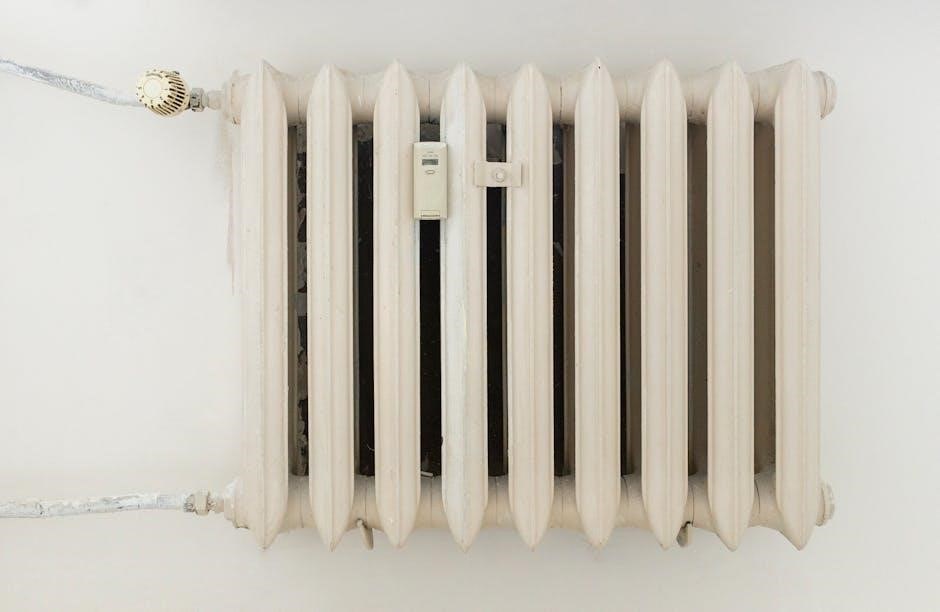
Euroline Wall-Mounted Electric Water Heaters
The A;O. Smith Euroline series, as detailed in available manuals, features sleek, wall-mounted electric water heaters designed for space-saving installation. These units boast glass-lined steel tanks for enhanced durability and corrosion resistance, a crucial aspect covered in the documentation.
Manuals emphasize the importance of magnesium anode rods in protecting the tank from corrosion, outlining regular inspection and replacement procedures. Installation guides specifically address proper location with adequate drainage, and the necessity of filling the tank before electrical connection.
Furthermore, the PDF resources provide comprehensive parts lists, aiding in maintenance and repair. Safety precautions regarding flood damage are also highlighted, advising against operation if the unit has been submerged.
Promax/A.O. Smith Residential Electric Water Heater Parts
Detailed parts lists for Promax and A.O. Smith residential electric water heaters are readily accessible within the comprehensive PDF manuals. These resources categorize components by gallon model, simplifying identification for repair and replacement needs.
The documentation outlines essential parts like heating elements, thermostats, and safety valves, often including diagrams for clarity. Manuals stress the importance of using genuine A.O. Smith replacement parts to maintain performance and warranty validity.
Furthermore, the PDFs often contain troubleshooting guides that link specific symptoms to potential faulty parts, assisting in efficient diagnosis. Proper installation procedures, referencing these parts, are also thoroughly explained within the downloadable manuals.
Signature 100 Water Heater Series – User Agreement
The A.O. Smith Signature 100 Water Heater Series manual includes a crucial User Agreement outlining responsibilities and limitations. This agreement, found within the downloadable PDF, details warranty coverage specifics and conditions for maintaining its validity.
Users are expected to adhere to proper installation and maintenance guidelines, as detailed in the manual, to avoid voiding the warranty. The agreement also clarifies A.O. Smith’s liability and disclaimers regarding product use and potential damages.
Careful review of this User Agreement is strongly recommended before installation and operation, ensuring a clear understanding of the terms and conditions associated with the Signature 100 series water heater.

Winterizing and Flood Damage
PDF manuals detail vital winterizing steps to prevent freezing and provide guidance on handling a water heater compromised by flood damage—do not operate if flooded.
Winterizing Procedures to Prevent Freezing
A.O. Smith manuals emphasize thorough winterization to avoid costly freeze damage. Before extended cold periods, completely drain the water heater tank. This prevents ice expansion from cracking the glass-lined steel. Disconnect electrical power before draining. Locate and open the drain valve, typically near the tank’s bottom, and allow complete drainage.
Consider flushing the tank beforehand to remove sediment that could obstruct the valve. After draining, close the drain valve, but leave the cold water inlet valve closed. Some manuals suggest adding RV antifreeze to the tank for extra protection, following specific dosage instructions. Remember to consult your model’s specific PDF manual for detailed, tailored winterizing procedures, as variations exist.
What to Do if the Water Heater is Flood Damaged
A.O. Smith manuals explicitly state: do not operate a water heater if it has been flood damaged. Floodwater can introduce contaminants and cause severe electrical hazards. Immediately disconnect the electrical power supply at the breaker box. Do not attempt to assess the damage yourself if you are not a qualified technician.
Contact a licensed plumber and electrician for inspection and potential replacement. Flood damage can compromise the tank’s integrity, anode rod, and electrical components. Attempting to use a flood-damaged heater poses significant safety risks. Refer to your specific model’s manual for warranty implications related to flood damage, as coverage may be voided.