

Acoustic Guitar Buying Guide: An Overview
Navigating the world of acoustic guitars requires understanding types, tonewoods, and construction. Consider your budget, playing style, and desired sound for the perfect instrument.
Understanding Acoustic Guitar Types
Acoustic guitars come in diverse forms, each offering unique sonic characteristics. Dreadnoughts are popular for their bold sound, while Grand Auditoriums provide versatility. Parlor guitars offer a compact, focused tone. Beyond these, you’ll find jumbo, concert, and travel guitars, catering to varied preferences and playing needs – selecting the right type is crucial.

Body Shapes and Their Impact on Sound
Acoustic guitar body shape significantly influences tone, volume, and comfort. Different shapes resonate uniquely, impacting projection and the overall sonic character of the instrument.
Dreadnought Guitars: The Workhorse
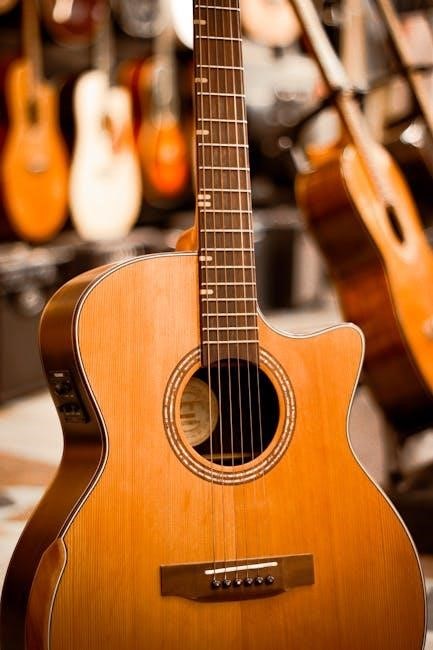
The Dreadnought is the most popular acoustic guitar body shape, known for its powerful volume and balanced tone. Its large size delivers a full, resonant sound ideal for strumming and flatpicking. Commonly favored by bluegrass, folk, and country musicians, it provides a robust and versatile sonic foundation for various playing styles.
Grand Auditorium Guitars: Versatility and Balance
Grand Auditorium guitars offer a sweet spot between the Dreadnought’s power and the Parlor’s intimacy. They excel in fingerstyle playing and provide clarity across all frequencies. This balanced tone makes them incredibly versatile for recording, performing, and various musical genres, appealing to a wide range of guitarists.
Parlor Guitars: Compact and Focused
Parlor guitars, known for their smaller size, deliver a focused and intimate tone. Ideal for fingerpicking and blues, they offer comfortable playability and portability. While lacking the volume of larger bodies, their distinct sound cuts through mixes nicely, making them perfect for recording or quiet practice sessions.
Tonewoods: The Foundation of Tone
The wood choices dramatically impact an acoustic guitar’s sound. Spruce, mahogany, and rosewood each contribute unique tonal characteristics, shaping the instrument’s voice.
Spruce: Brightness and Clarity
Spruce is the most popular tonewood for soundboards, prized for its responsiveness and clarity. Sitka spruce delivers a broad dynamic range, ideal for strumming and flatpicking. Engelmann spruce offers a warmer, more mature tone, suiting fingerstyle players. Adirondack spruce provides powerful projection and exceptional headroom, favored by bluegrass musicians.
Mahogany: Warmth and Sustain
Mahogany tonewoods impart a warm, focused tone with rich sustain. Often used for back and sides, mahogany produces a strong fundamental tone, minimizing overtones. It’s excellent for blues, folk, and recording, offering a balanced sound. Mahogany guitars respond well to a lighter touch, providing a woody character.
Rosewood: Richness and Complexity
Rosewood, particularly Indian Rosewood, delivers a complex and rich tonal palette. Known for its deep bass response and sparkling highs, it offers significant overtones and sustain. Ideal for fingerstyle and strumming, rosewood enhances harmonic richness, making it a favorite for diverse musical genres and professional players.

Neck Profiles and Playability
Neck shape dramatically impacts comfort and playing speed. Common profiles include C, V, and slim tapers, each offering a unique feel for different hand sizes.
C-Shape Neck: Common and Comfortable
The C-shape neck is widely favored for its versatile and familiar feel. It provides a rounded profile that comfortably fits most hands, making it ideal for beginners and experienced players alike. This design promotes easy chord transitions and comfortable fretting, offering a balanced playing experience across various styles.
V-Shape Neck: Vintage Feel
The V-shape neck evokes a classic, vintage playing experience. Characterized by a more pronounced “V” contour, it fills the palm, offering a substantial grip. Often found on older guitars, it delivers a unique feel preferred by players seeking a traditional aesthetic and playing style, though it may require some acclimation.
Slim Taper Neck: Modern Playability
Slim taper necks are designed for speed and comfort, catering to modern playing techniques. These necks are thinner and flatter than traditional shapes, reducing hand fatigue and facilitating faster chord changes and lead work. They’re popular among players prioritizing ease of play and a streamlined feel.

Bracing Patterns and Sound Projection
Internal bracing significantly impacts an acoustic guitar’s volume, tone, and responsiveness. Different patterns, like X-bracing, shape the sound and structural integrity.
X-Bracing: Strength and Resonance
X-bracing is the most common bracing pattern, utilizing two intersecting braces below the soundhole. This design provides exceptional top strength, resisting bowing under string tension. It delivers a balanced tone with strong projection and resonance, making it versatile for various playing styles. It’s a reliable choice for many acoustic guitars.
Scalloped Bracing: Enhanced Responsiveness
Scalloped bracing involves carving away wood from the bracing, reducing mass and increasing the top’s flexibility. This results in a more responsive guitar, producing a richer, more complex tone with greater dynamic range. While potentially less structurally robust than X-bracing, it offers exceptional sensitivity to a player’s touch.

Acoustic Guitar Construction: Solid vs. Laminate
Solid wood guitars offer superior tone and improve with age, while laminate woods provide durability and affordability for beginners and varied climates.
Solid Wood Guitars: Superior Tone and Aging
Guitars crafted from solid wood resonate with a richer, more complex tone that develops and improves significantly over time. This aging process, often called “opening up,” enhances the instrument’s responsiveness and projection. While typically more expensive, solid wood construction delivers unparalleled sonic qualities favored by experienced players seeking premium sound and long-term investment.
Laminate Wood Guitars: Durability and Affordability
Laminate wood guitars utilize layers of wood bonded together, offering increased durability and resistance to changes in humidity and temperature. These instruments are generally more affordable than solid wood options, making them ideal for beginners or players needing a reliable guitar for travel and varied environments.

Strings: Gauges and Materials
String choice impacts tone and playability. Phosphor bronze offers warmth, 80/20 bronze provides brightness, and gauges (light, medium, heavy) affect tension and feel.
Phosphor Bronze Strings: Warm and Balanced
Phosphor bronze strings are a popular choice for acoustic guitars, known for their well-rounded tonal qualities. They deliver a warm, rich sound with excellent clarity and sustain, making them versatile for various playing styles. These strings offer a balanced response, suitable for strumming and fingerpicking, and maintain their tone for a considerable time.
80/20 Bronze Strings: Bright and Crisp
80/20 bronze strings, composed of 80% copper and 20% zinc, produce a bright, crisp, and articulate tone. They are favored by players seeking a lively and vibrant sound, particularly well-suited for recording and cutting through mixes. However, they tend to tarnish faster than phosphor bronze, impacting longevity.
String Gauges: Light, Medium, and Heavy
String gauge significantly impacts playability and tone. Light gauge strings (e.g., .012-.053) are easier to fret, ideal for beginners, but offer less volume. Medium gauge (.013-.056) provide a balance. Heavy gauges (.014-.059) deliver robust tone and projection, requiring more finger strength.

Electronics: Amplifying Your Acoustic
Pickups transform acoustic sound for performance or recording. Options include piezo, magnetic soundhole pickups, each offering unique tonal characteristics and affordability levels.
Piezo Pickups: Common and Affordable
Piezo pickups are a popular, budget-friendly choice for amplifying acoustic guitars. They detect string vibrations via pressure, offering a direct signal. While often described as bright or sometimes “quacky,” they’re easily installed under the saddle. Many systems include preamps to shape the tone, improving warmth and reducing harshness for live performance and recording.
Magnetic Soundhole Pickups: Natural Acoustic Tone
Magnetic soundhole pickups offer a different approach to amplification, aiming for a more natural acoustic tone. They function similarly to electric guitar pickups, sensing string vibrations with magnets. These pickups generally require no internal modification to the guitar and deliver a warmer, more organic amplified sound compared to piezo systems.
Budget Considerations: Finding the Right Guitar for Your Price Range
Acoustic guitar prices vary widely. Determine your spending limit – under $300, $300-$600, or $600+ – to narrow your options and find suitable quality.
Under $300: Entry-Level Options
For beginners, guitars under $300 offer affordability without sacrificing playability. Expect laminate construction, providing durability, though potentially less resonant tone. Yamaha, Fender, and Jasmine offer reliable choices. These are ideal for learning chords and developing technique, providing a solid foundation before investing in higher-end instruments.
$300 ⏤ $600: Intermediate Guitars
This price range unlocks guitars with solid tops, enhancing tone and resonance. Expect improved craftsmanship and potentially better tonewoods like spruce or mahogany. Brands like Yamaha, Seagull, and Epiphone offer excellent value. These instruments suit developing players seeking richer sound and increased responsiveness for diverse playing styles.
$600+: Professional-Grade Instruments
Investing above $600 delivers exceptional quality, often featuring all-solid wood construction. Expect superior tone, sustain, and projection from renowned brands like Martin and Taylor. These guitars offer refined playability, intricate detailing, and are ideal for serious musicians and discerning players seeking peak performance.
Essential Accessories for Acoustic Guitar Players
Beyond the guitar, essential accessories include a case, tuner, strap, picks, and potentially a humidifier. These enhance protection, playability, and maintenance.
Guitar Case: Protection and Portability
A quality guitar case is crucial for safeguarding your investment from damage during transport and storage. Hard cases offer superior protection against impacts, while gig bags provide lighter, more convenient portability. Consider the case’s interior padding and latches for security.
Tuner: Maintaining Accurate Pitch
Keeping your acoustic guitar in tune is essential for enjoyable playing and developing your ear. Electronic tuners, including clip-on and pedal versions, offer quick and accurate tuning. Traditional tuning forks or piano references are also options. Consistent tuning enhances musicality and prevents frustration.
Guitar Strap: Playing in a Standing Position
A comfortable guitar strap is crucial for acoustic players who prefer performing while standing. Choose a strap with adjustable length and width for optimal support and balance. Leather or nylon straps are common choices, offering durability and style. Ensure secure attachment points to prevent accidental drops during performance.

Evaluating Playability and Comfort
Assess the “action” (string height) and fretboard radius for comfortable playing. Lower action is easier, while radius impacts bending ease and overall feel.
Action: String Height and Ease of Play
“Action” refers to the distance between the strings and the fretboard. Lower action means less pressure needed to fret notes, making playing easier, especially for beginners. However, excessively low action can cause buzzing. Higher action requires more strength but offers clearer tones.
Fretboard Radius: Comfort and Bending
Fretboard radius describes the curvature of the fretboard surface. A smaller radius (like 7.25″) feels comfortable for chording, while a larger radius (like 16″) facilitates easier string bending. Modern guitars often feature compound radii, blending both for versatility and optimal playability.
Brands to Consider: Reputable Acoustic Guitar Manufacturers
Martin, Taylor, and Yamaha consistently deliver quality and innovation. Researching these brands provides a solid starting point for finding your ideal acoustic guitar.
Martin Guitars: A Legacy of Quality
C.F. Martin & Company boasts a rich history, crafting guitars for over 190 years. Known for their dreadnoughts and commitment to traditional building techniques, Martin guitars are highly sought after. They represent a significant investment, offering exceptional tone, playability, and lasting value, becoming heirlooms for generations of musicians.
Taylor Guitars: Innovation and Playability
Taylor Guitars consistently pushes boundaries with innovative designs and modern manufacturing. They are celebrated for their comfortable neck profiles and exceptional playability, appealing to both beginners and professionals. Taylor offers a diverse range of models, known for bright, clear tones and consistent quality across price points.
Yamaha Guitars: Value and Reliability
Yamaha consistently delivers exceptional value, offering reliable instruments at various price points. Known for their consistent build quality and accurate intonation, Yamaha guitars are ideal for students and seasoned players alike. They provide a balanced tone and durable construction, making them a smart investment.
Where to Buy: Online vs. Local Guitar Stores
Online retailers offer convenience and a vast selection, while local stores provide expert advice and the opportunity to try guitars firsthand.
Online Retailers: Convenience and Selection
Shopping online provides unmatched convenience, allowing you to browse a massive inventory from home. Numerous websites offer competitive pricing and detailed product descriptions. However, you miss the hands-on experience of trying instruments. Carefully review return policies and shipping costs before purchasing, ensuring a secure transaction and satisfaction with your new guitar.
Local Guitar Stores: Expert Advice and Hands-On Experience
Visiting a local guitar store offers invaluable benefits, including personalized guidance from knowledgeable staff. You can physically try different guitars, assessing comfort and sound firsthand. Stores often provide setup services and a community atmosphere. While potentially pricier, the expertise and tactile experience are often worth the investment.
Maintaining Your Acoustic Guitar
Consistent humidity control and regular cleaning are crucial for preserving your guitar’s finish and preventing damage like cracking or warping over time.
Humidity Control: Preventing Cracking and Warping
Acoustic guitars are sensitive to humidity fluctuations. Too little humidity can cause wood to crack, while excessive moisture leads to warping. Maintaining a consistent 45-55% humidity level is ideal. Utilize a humidifier during dry seasons and a dehumidifier when it’s damp.
Regular Cleaning: Preserving the Finish
Consistent cleaning protects your acoustic guitar’s finish and wood. Use a soft, lint-free cloth to wipe down the body after each playing session. Employ a specialized guitar polish occasionally to remove fingerprints and grime, avoiding harsh chemicals that can damage the delicate finish.